Elegant Geometric Patterns: A Modern Design Trend That Transcends Boundaries
Geometric patterns have long been a staple in the world of design, but today, they are more than just decorative elements—they are powerful tools for expression, branding, and creativity. The elegant geometric patterns seamless trend has gained immense popularity due to its ability to combine structure, symmetry, and visual appeal into a cohesive aesthetic. This article explores how these patterns are crafted, their significance in modern design, and why they remain a versatile choice across industries.
What Are Geometric Patterns?
At their core, geometric patterns are designs composed of repeated shapes such as triangles, circles, squares, and lines. These forms are arranged with precision and often follow mathematical principles to create balance and harmony. When described as “elegant”, it implies that the pattern is not only visually striking but also refined and timeless.
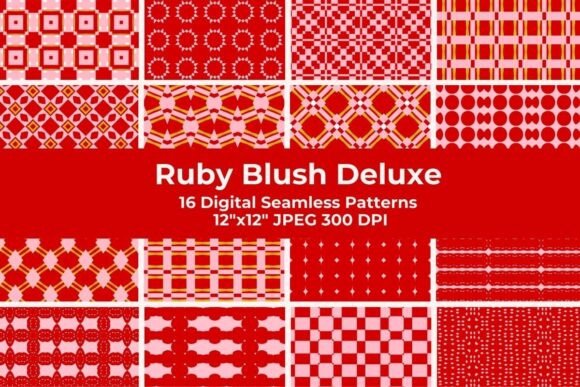
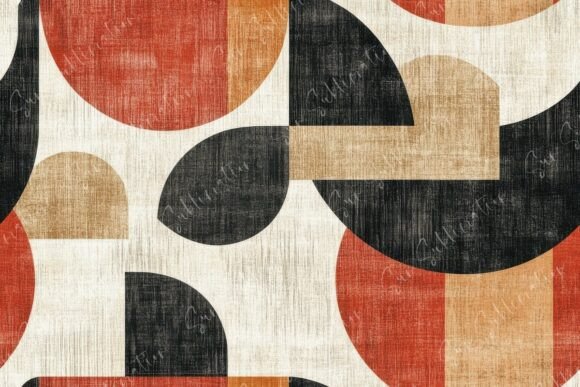
The term “seamless” refers to the way these patterns can be tiled or repeated without visible edges or breaks, making them ideal for backgrounds, textiles, digital art, and more. An intricate blend of geometric shapes and warm colors can transform a simple pattern into a captivating visual element that resonates with both traditional and contemporary audiences.
The Role of Color in Geometric Design
Color plays a vital role in defining the mood and appeal of any geometric pattern. Warm colors—such as reds, oranges, yellows, and earthy tones—bring energy, warmth, and vibrancy to the design. They are particularly effective in creating a sense of comfort and familiarity while still maintaining a modern edge.
- Red: Often associated with passion and power, red adds intensity to geometric compositions.
- Orange: Conveys creativity and enthusiasm, making it perfect for dynamic layouts.
- Yellow: Represents optimism and clarity, adding a cheerful tone to structured designs.
- Brown and Beige: Provide a grounded, organic feel that contrasts beautifully with sharp geometric lines.
When combined with precise shapes, these hues can evoke a range of emotions—from excitement to serenity—depending on the arrangement and context.
Why Choose Seamless Geometric Patterns?
Seamless geometric patterns are highly sought after because they offer flexibility and scalability. Whether you're designing a website, a poster, or a fabric print, these patterns adapt easily to different formats and resolutions. The fact that they can be used in high-quality JPEG format at 4500 x 3000 pixels and 300 dpi ensures professional results for both digital and print applications.
Here’s why many designers and businesses prefer using geometric seamless patterns:
- Consistency: The seamless nature allows for uniformity across large surfaces or repeating sections.
- Versatility: They work well in minimalistic, abstract, or maximalist styles depending on the color palette and complexity.
- Modern Appeal: Clean lines and structured arrangements align with current design trends in architecture, fashion, and digital media.
- Efficiency: Once created, they can be reused in various projects, saving time and resources.
Applications in Modern Life
From home décor to corporate branding, geometric patterns are everywhere. Their presence in everyday life highlights their practical relevance and enduring charm. Here are some common areas where you’ll find seamless geometric patterns being utilized effectively:
- Digital Media: Used in web design, app interfaces, and social media templates to create clean, engaging visuals.
- Fashion: Seen in clothing prints, accessories, and even footwear, offering a stylish yet wearable look.
- Interior Design: Applied in wallpaper, rugs, curtains, and tiles to add texture and depth to living spaces.
- Graphic Design: Ideal for logos, packaging, marketing materials, and promotional content due to their eye-catching nature.
- Education and Presentations: Help simplify complex information through structured infographics and visual aids.
For instance, a modern office might use an intricate blend of geometric shapes and warm colors in wall murals to foster a welcoming yet professional atmosphere. Similarly, a mobile app could leverage these patterns to enhance user experience with subtle background textures that don’t distract from the main interface.
Creating and Using Geometric Patterns
Designing elegant geometric patterns requires attention to detail and a strong understanding of composition. Many artists and designers use vector-based software like Adobe Illustrator or Inkscape to craft intricate, scalable patterns. However, there are also many downloadable options available for those who want to skip the creation process altogether.
One popular feature among buyers is the ability to download the pattern immediately after purchase. This means no waiting periods, no shipping delays—just a zipped file ready for use. These files typically include multiple variations of the pattern or additional elements that allow for customization and adaptation.
Despite the convenience of digital downloads, it's important to remember that colors viewed on screen may differ when printed. Monitors vary in calibration, so what looks vibrant on one device might appear muted on another. Always request physical swatches or test prints if color accuracy is crucial for your project.
How to Incorporate Geometric Patterns Into Your Work
Whether you're a seasoned designer or someone new to the field, here are a few tips to help you integrate geometric patterns into your projects:
- Start Small: Use geometric accents rather than overwhelming the design with too many elements.
- Stick to a Limited Palette: Especially when using warm colors, choose a few shades to maintain elegance and readability.
- Balance Complexity and Simplicity: While intricate patterns can be stunning, they should never overshadow the main message or purpose of the design.
- Consider Context: A bold geometric pattern might suit a music festival poster but would be out of place on a medical brochure.
By applying these strategies, you can ensure that your use of geometric patterns enhances your overall design rather than detracts from it.
Common Misconceptions About Geometric Patterns
There are several myths surrounding geometric patterns, especially when it comes to their application and effectiveness. Let’s address a few of them:
- They’re Only for Bold Statements: Not true! Geometric patterns can be subtle and sophisticated. Think of minimalist line work or soft gradients instead of loud, contrasting blocks.
- They Don’t Work With Other Styles: On the contrary, geometric patterns can complement floral, organic, or even vintage designs by providing contrast and structure.
- They’re Difficult to Customize: With the right tools and downloadable files, you can easily adjust the scale, color, and layout of a pattern to fit your needs.
Understanding these misconceptions helps open up creative possibilities and encourages experimentation with different styles and combinations.
Technology and Geometric Design
Advancements in technology have made it easier than ever to create, share, and apply geometric patterns. High-resolution JPEG files (like those sized at 4500 x 3000 pixels) are now standard for quality outputs. This resolution ensures that details remain crisp and clear, whether you're printing on large banners or scaling down for a smartphone wallpaper.
Moreover, online marketplaces and digital stores offer a vast selection of geometric patterns for immediate download. This instant access is invaluable for professionals working under tight deadlines or for hobbyists exploring design on a budget. Just make sure to review the product descriptions carefully to understand the file types, usage rights, and potential color discrepancies.
The Significance of Geometric Patterns in Branding
In the business world, brand identity is everything. Geometric patterns play a key role in shaping this identity by conveying specific values and aesthetics. For example, a startup focused on innovation might choose a sleek, angular pattern with warm tones to reflect energy and progress.
These patterns also help in creating a cohesive visual language across all platforms—from websites to social media profiles to printed brochures. Consistency in design builds recognition and trust, which are essential components of successful branding.
Examples of Geometric Pattern Usage
To better understand the versatility of geometric patterns, let’s look at a few real-world examples:
- Clothing Brands: Many fashion labels incorporate geometric motifs into their fabric designs to stand out in a crowded market.
- Mobile App UI: Developers use geometric backgrounds to guide the user’s eye and create a sense of order within the app interface.
- Architectural Interiors: Interior designers often tile geometric patterns on floors or walls to give a space a modern, artistic touch.
- Marketing Collateral: Brochures and flyers benefit from geometric overlays to draw attention to key messages and calls to action.
Each of these uses demonstrates how geometric patterns can serve both functional and aesthetic purposes. The beauty lies in their adaptability—they can be as simple or as elaborate as needed.
Choosing the Right Pattern for You
If you're shopping for geometric patterns, consider the following factors to make the best choice:
- Resolution: A 300 dpi JPEG file ensures high-quality prints, making it suitable for both digital and physical media.
- File Format: JPEG is a widely supported format, but always confirm compatibility with your editing or printing software.
- Dimensions: A size of 4500 x 3000 pixels offers enough space for most projects without unnecessary bulk.
- Usage Rights: Make sure the pattern you choose allows for commercial use if needed, or check the store's licensing policies.
Also, take note that since there’s no physical product involved, the entire transaction happens digitally. After completing your purchase, you'll receive a zipped file containing the pattern(s), which you can extract and use right away. This streamlined process makes it easy for anyone to access and utilize high-quality geometric designs.
Designing for Different Audiences
While geometric patterns are universally appealing, their impact can vary based on the audience. For example:
- Corporate Clients: May prefer clean, symmetrical designs that convey professionalism and reliability.
- Younger Demographics: Might appreciate more playful, colorful, and asymmetrical geometric arrangements.
- Art Enthusiasts: Could enjoy highly detailed and experimental geometric works that push creative boundaries.
Knowing your target audience helps you tailor the pattern to meet their expectations and preferences. It also increases the chances of your design being well-received and effective in communication.
Geometric Patterns in Education and Creativity
Education is another field where geometric patterns have found a unique place. Teachers and educators use them to break down complex subjects into digestible visual formats. For example, geometry lessons can become more engaging when students interact with real-life examples of patterns they see around them.
In terms of creativity, geometric patterns challenge designers to think beyond the conventional. Creating an intricate blend of geometric shapes and warm colors requires both technical skill and artistic vision. It's a balancing act between form and function, where each shape must contribute to the whole without overpowering it.
Students learning graphic design or illustration can benefit greatly from studying and experimenting with geometric patterns. They provide a foundation for understanding spatial relationships, repetition, and alignment—key concepts in visual communication.
Staying Updated With Trends
Design trends evolve rapidly, but geometric patterns have proven to be timeless. However, staying updated with how they’re being used today can give you an edge in your work. Current trends suggest that combining geometric elements with organic shapes, gradients, and negative space creates fresh, innovative designs.
As digital platforms continue to grow, the demand for high-quality, customizable assets like geometric patterns will only increase. Investing in a few reliable patterns from trusted sources ensures you always have go-to resources for your next project.
Conclusion
Elegant geometric patterns seamless are more than just a passing trend—they are a foundational element of modern design. Their combination of structure and creativity makes them a valuable asset in various fields, from business to education. By understanding their purpose, mastering their use, and appreciating their visual impact, you can unlock new levels of design sophistication.
With the availability of high-resolution JPEG files and immediate downloads, integrating these patterns into your workflow has never been easier. Just remember that digital previews may not always match printed outcomes, so always plan accordingly.
Thank you for visiting this virtual design store. As you explore the collection of intricate geometric blends, keep in mind how they can elevate your next project. Whether you're looking for inspiration or a ready-made solution, geometric patterns offer endless possibilities for those willing to experiment and innovate.