Valentine’s Day Geometric Patterns: A Creative Guide to Choosing and Using Them
Valentine’s Day is a time of love, creativity, and thoughtful expression. Whether you’re designing invitations, crafting cards, or preparing party decorations, Valentine’s Day geometric patterns offer a fresh and modern way to add visual appeal to your projects. These digital paper patterns combine classic holiday colors with clean, structured designs like lines, polka dots, stripes, dots, squares, and circles. When used correctly, they can elevate your work from ordinary to extraordinary. But as with any design element, there are common pitfalls that many creators overlook.
What Are Valentine’s Day Geometric Patterns?
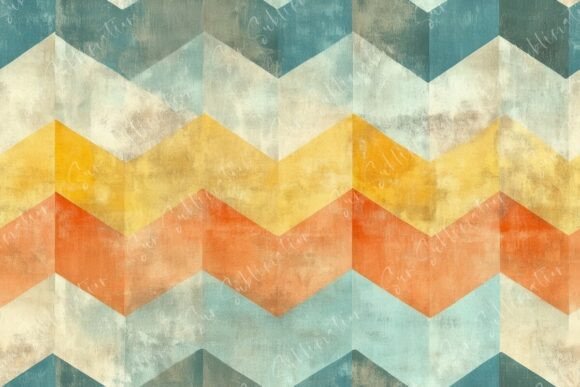
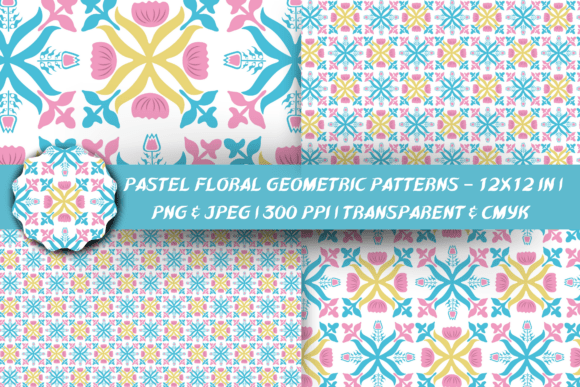
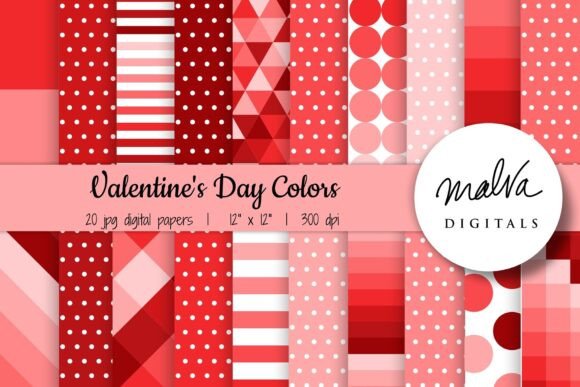
Valentine’s Day geometric patterns are digital backgrounds featuring shapes such as triangles, hexagons, grids, and abstract lines in festive red tones and other heart-themed colors. These patterns come in 20 unique variations, all in high-resolution JPG format (300 dpi), making them ideal for both print and digital use. Each pattern is sized at 12” x 12”, perfect for standard cardstock, scrapbooking sheets, or digital assets like PowerPoint slides and social media graphics.
These versatile designs are suitable for a wide range of creative endeavors including:
- Cardmaking and envelope liners
- Scrapbooking layouts and photo collages
- Stickers and label designs
- Invitations and party decorations
- Classroom materials and posters
- Stationery sets and worksheet templates
- Backgrounds for digital art and presentations
- Holiday gift tags and packaging
Common Mistakes to Avoid When Using Valentine’s Day Geometric Patterns
Despite their usefulness, many people make avoidable mistakes when selecting or applying these patterns. Here are some of the most common issues and how to steer clear of them:
Mistake #1: Ignoring Resolution Requirements
One of the biggest errors occurs when users download a pattern but don’t check its resolution before printing. While most digital resources look great on screen, not all are suitable for physical output. The good news is that these Valentine’s Day geometric patterns are created at 300 dpi — a professional standard for print. Always verify the resolution if you plan to use the papers in printed form, especially for items like cards or stickers where detail matters.
Better Approach:
When purchasing digital paper collections, ensure the product description clearly states “300 dpi” or “print-ready.” If you're using software like Photoshop or Illustrator, double-check the image size before exporting. High-quality files will maintain clarity even after multiple uses or resizing.
Mistake #2: Overcomplicating Design Layouts
Geometric patterns can be bold and eye-catching, which makes it tempting to layer several together or fill an entire page. However, this often leads to cluttered visuals that overwhelm the viewer rather than attract attention. For instance, placing a red stripe pattern over a red circle background may result in a busy layout that distracts from the message or content.
Better Approach:
Use one pattern per project as a base and build around it. Pair it with solid-colored elements or simple text. For example, if you're creating a Valentine’s Day invitation, place the pattern behind a white or cream-colored text box. This keeps the focus on the words while still benefiting from the visual interest of the pattern.
Mistake #3: Not Considering Color Contrast
While the color palette is typically warm and festive, it's easy to forget that not all red shades work well together. Some geometric patterns feature deep crimson, while others might have lighter pink hues. Mixing these without considering contrast can lead to illegible text or unbalanced compositions.
Better Approach:
Before finalizing your design, test the visibility of text against the pattern. Use tools like Adobe Color or Canva’s accessibility checker to ensure legibility. Opt for white, black, or gold text on darker red patterns, and deeper reds on lighter ones for maximum readability and aesthetic harmony.
Mistake #4: Neglecting File Format Compatibility
JPG is a widely supported file format, but it doesn't always blend well with transparent layers or overlays. Some designers attempt to use these digital papers in layered projects without realizing that transparency effects won’t show up properly in JPGs. This can lead to unexpected results when trying to create watermarked backgrounds or layered stickers.
Better Approach:
If you need transparency in your design, consider whether the pattern should be used as a standalone asset rather than a layered component. Alternatively, convert the JPG to PNG using editing software if possible. Always preview your final design in the intended application before sending it out or printing it.
Mistake #5: Underestimating the Value of Licensing Terms
Many users assume that because they bought a digital paper pack, they can use it however they want. In reality, licensing terms vary. Some packs restrict commercial use unless specified. It’s crucial to understand what you can and cannot do with the Valentine’s Day geometric patterns you purchase — especially if you're planning to sell products like cards, stationery, or printable worksheets.
Better Approach:
Read the license agreement carefully before downloading. Look for phrases like “personal and commercial use allowed,” “resell rights,” or “no redistribution.” If the product includes these permissions, you’re all set. If not, consider investing in a premium pack designed for commercial applications.
How to Choose the Right Pattern for Your Project
Selecting the best Valentine’s Day geometric pattern depends on the purpose of your project. Let’s break down a few examples to help guide your decision:
For Cards and Invitations
A subtle polka dot or stripe pattern can add just enough charm without overshadowing the message. Try pairing a soft pink square pattern with elegant script fonts for a romantic touch. If you're going for a more modern look, opt for sharp red lines or diamond grids with sans-serif typography.
For Classroom or Party Decor
Here, bolder is better. Consider circular or hexagonal arrangements in vibrant reds for posters, tablecloths, or banners. These patterns catch the eye and create a cohesive theme across different materials. Make sure the design isn’t too intricate if it's being used for educational purposes; students should be able to read information easily.
For Digital Projects Like PowerPoint or Social Media
Patterns with lower density or smaller repeating elements tend to work best. Large dots or thick lines can cause distractions in slides or website headers. A minimalist grid or tiny red hearts scattered in a geometric formation can enhance your digital presentation without overwhelming the user experience.
Practical Tips for Maximizing Usability
To get the most out of your Valentine’s Day geometric pattern collection, keep the following advice in mind:
- Organize Your Files: Rename each downloaded pattern with a clear identifier, such as “Red Stripes – VDay 2025” or “Pink Dots – Print Ready.” This helps streamline your workflow and avoids confusion later.
- Test Before Printing: Always print a sample or view the design on a large monitor to assess how the pattern looks in real-world scale. What appears small on screen might become overpowering in print.
- Use as Backgrounds, Not Foregrounds: Reserve these patterns for backdrops. Placing them over key design elements can reduce clarity and professionalism, especially in marketing or educational contexts.
- Combine With Other Elements Thoughtfully: Don’t limit yourself to just the pattern. Add hand-drawn illustrations, metallic accents, or vintage photos to complement the geometric style and add depth to your creation.
Why These Patterns Stand Out
Compared to traditional floral or lace-based Valentine’s Day themes, geometric patterns provide a contemporary twist that appeals to a broader audience. They’re also incredibly flexible — you can crop them into smaller sections, repeat them seamlessly, or use them as borders. The high resolution ensures that no matter where you apply them, the quality remains consistent and crisp.
Additionally, having 20 different options means you won’t run out of ideas quickly. You can rotate through various styles depending on your mood, event, or target demographic. For educators, this variety helps keep classroom activities visually engaging year after year. For entrepreneurs, it allows for a diverse range of products under a unified theme.
Final Thoughts on Choosing and Using Valentine’s Day Geometric Patterns
Valentine’s Day geometric patterns are a powerful tool in any designer’s arsenal. They bring structure, vibrancy, and modern flair to both digital and print projects. But to achieve the best results, it’s essential to choose wisely, use appropriately, and stay aware of potential missteps.
By avoiding common mistakes like poor resolution, overuse, and ignoring licensing details, you’ll unlock the full potential of these patterns. Think about your end goal — is it a heartfelt card, a professional invitation, or a fun classroom activity? Let that guide your choice and application method.
Remember, the right pattern enhances your message. The wrong one can bury it. Take the time to evaluate each design decision, and you’ll find that these Valentine’s Day geometric patterns are not only beautiful but also incredibly useful for your next creative endeavor.