Exploring the Versatility of Turquoise Ombre Geometric Patterns in Digital Design
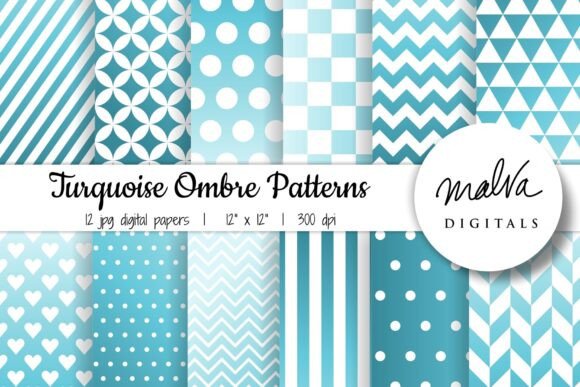
Turquoise Ombre Geometric Patterns are a unique and visually appealing design element that combines the soothing hues of turquoise with the structured beauty of geometric shapes. These patterns often feature a gradient, or ombre, effect—transitioning from deep blues to lighter pastel tones—while incorporating elements like polka dots, stripes, squares, circles, and triangles. The result is a dynamic blend of color and form that can elevate any creative project, from handmade cards to digital presentations.
What Sets Turquoise Ombre Geometric Patterns Apart?
The distinctiveness of these patterns lies in their harmonious balance between organic color flow and rigid shape structures. Unlike traditional solid-colored geometric designs, the ombre technique adds depth and dimension, making them ideal for modern aesthetics that value both visual interest and minimalism. This combination appeals to designers who want to create eye-catching visuals without overwhelming the viewer with too much contrast or complexity.
Another key differentiator is the versatility of the color palette. Shades of white and turquoise offer a refreshing contrast that works well across a range of applications. The softness of white complements the cool, vibrant tone of turquoise, creating a versatile backdrop suitable for both professional and personal projects.
Comparing Turquoise Ombre Geometric Patterns with Other Styles
When evaluating design resources, it's helpful to understand how Turquoise Ombre Geometric Patterns compare to other popular styles:
- Solid Color Geometric Patterns: While clean and structured, they lack the subtle variation provided by an ombre gradient. This makes Turquoise Ombre patterns more engaging for backgrounds or decorative elements where texture and movement are desired.
- Watercolor Designs: Watercolor patterns provide a softer, more fluid look but may not deliver the same level of precision and clarity as geometric motifs. For projects requiring sharp lines and defined shapes, Turquoise Ombre Geometric Patterns are a better fit.
- Abstract Art Patterns: Abstract art offers bold creativity but can sometimes be too unpredictable for consistent branding or formal documentation. Turquoise Ombre Geometric Patterns strike a balance between artistic flair and professional usability.
In terms of file format and quality, these digital papers are typically offered in high-resolution JPG at 300 dpi, which ensures crisp printing and clear digital display. Compared to vector-based formats like SVG or EPS, JPG files are easier to use for those who aren't familiar with graphic design software that supports layers or editing paths. However, this also means they’re best suited for static uses rather than scalable graphics.
Strengths and Best-Fit Applications
Turquoise Ombre Geometric Patterns excel in several areas due to their aesthetic appeal and functional adaptability. Their strengths include:
- Visual Cohesion: The gradient transition ensures a seamless blend of colors, avoiding the jarring shifts seen in some multi-tonal designs.
- Modern Aesthetic: They align well with contemporary design trends that favor minimalism paired with subtle detail.
- Wide Application Range: From printables to digital assets, these patterns are compatible with many mediums and purposes.
These patterns are especially effective for:
- Cardmaking: Adding a splash of color to greeting cards, thank-you notes, or birthday invitations without being overpowering.
- Scrapbooking: Creating themed layouts with a cohesive color scheme that enhances photos and journaling.
- Stickers and Invitations: Offering a stylish yet readable base for text and imagery.
- Party Decor: Ideal for invitations, banners, and signage that reflect a nautical or tropical theme.
- Classroom Decor: Brightening learning spaces while maintaining a calm and organized feel.
- Posters and Stationery: Enhancing promotional materials or everyday stationery with a professional touch.
- Backgrounds for Digital Content: Suitable for PowerPoint slides, worksheets, or web page mockups where background noise needs to be minimal but still engaging.
Tradeoffs and Limitations
While Turquoise Ombre Geometric Patterns have many benefits, they also come with certain limitations that should be considered before use:
- Color Saturation: Depending on the printer or screen, the gradient may appear differently, potentially affecting the final outcome. It’s important to test prints or preview digitally before committing to large-scale usage.
- Limited Customization: Since these are pre-designed digital paper patterns, users cannot easily alter individual components like shape size or placement unless using advanced image-editing tools.
- Not Ideal for Text-Heavy Projects: The patterned background may interfere with readability if used over dense text blocks. For such cases, consider using white borders or overlays to maintain legibility.
Additionally, while the JPG format is user-friendly, it does not allow for resizing without potential loss of quality. If you need to scale up the design significantly for large posters or billboards, a vector format would be more appropriate. However, for most common applications like 12” x 12” sheets or digital screens, the JPG resolution is more than sufficient.
When to Choose Turquoise Ombre Geometric Patterns
These patterns are particularly well-suited for individuals and professionals who seek a middle ground between plain backgrounds and overly busy designs. If your project requires a touch of sophistication with a playful twist, Turquoise Ombre Geometric Patterns could be the perfect choice. They work especially well for seasonal themes, such as summer or oceanic motifs, and for audiences who appreciate a clean, modern look.
For example, educators might find these patterns useful for creating classroom charts or holiday-themed worksheets. Event planners can use them for digital invites or party labels, while hobbyists crafting DIY gifts will appreciate the elegance they bring to homemade tags or gift wrap. In all these scenarios, the patterns add personality without compromising professionalism.
Alternatives to Consider
If you're exploring options beyond Turquoise Ombre Geometric Patterns, there are a few alternatives worth considering depending on your specific needs:
- Monochromatic Geometric Patterns: These offer similar structure but without the gradient. Useful when you want to focus on one dominant hue.
- Minimalist Line Work: For a more subdued aesthetic, line-based geometric designs provide a refined look that pairs well with photography or video content.
- Subtle Texture Overlays: If you prefer less pattern intensity, textured overlays can give a tactile feel without competing for attention.
Each alternative serves different purposes, so the right choice depends on the context of your project. For instance, minimalist line work might suit a business proposal better than a colorful ombre pattern, whereas a vibrant geometric design could be just what you need for a children’s birthday invitation.
Practical Examples and Use Cases
Let’s take a closer look at how these patterns can be applied effectively:
1. Holiday Gift Tags
Imagine designing custom gift tags for a beach-themed Christmas party. Using a Turquoise Ombre Geometric Pattern as the background gives each tag a festive yet elegant appearance. You can layer text or small illustrations over the pattern without losing clarity, thanks to the white elements integrated into the design.
2. Classroom Bulletin Boards
Teachers looking to refresh their classroom decor can utilize these patterns to create themed bulletin boards. The calming effect of the turquoise gradient combined with structured geometry helps keep students focused while adding a decorative flair to the space.
3. PowerPoint Presentations
For a presentation with a creative or educational angle, Turquoise Ombre Geometric Patterns can serve as slide backgrounds. They introduce visual interest without distracting from the content, especially when paired with dark text and white accents.
4. Scrapbook Layouts
Photography-focused scrapbooks benefit from the subtle movement of an ombre pattern. The geometric elements help organize the layout, while the color shift adds emotional resonance to memories captured in photos.
Evaluating Value: Why 12 Digital Papers May Be Enough
Many users opt for collections of 12 Turquoise Ombre Geometric Digital Paper Patterns because this number provides enough variety for most projects without overwhelming the designer. Each pattern typically features a unique arrangement of shapes or a slightly different gradient ratio, allowing for flexibility in matching various themes or moods.
Compared to larger bundles or single-pattern downloads, a set of 12 offers a balanced approach. It avoids the clutter of excess unused designs while ensuring there's something for multiple applications. Whether you're planning a series of birthday cards, preparing for a teacher appreciation event, or working on a themed office space, 12 patterns can cover a wide array of needs without duplication.
Decision Factors: How to Choose the Right Pattern Set
Selecting the right design resource involves understanding your workflow and intended outcomes. Here are some decision factors to consider:
- Design Complexity: If your project already includes intricate graphics or text, choose a pattern with lighter shapes to avoid overcrowding.
- Printing Requirements: Ensure the pattern is compatible with your printer settings and paper type. JPG files are generally safe for standard home printers.
- Project Frequency: If you plan to use the pattern regularly, a set of 12 offers good long-term value. If you only need one or two, a smaller collection might suffice.
- Personal Preference: Ultimately, the best choice is the one that inspires you and fits your creative vision. Previewing samples before purchase is a smart move to ensure alignment with your style.
Conclusion
Turquoise Ombre Geometric Patterns are a compelling option for anyone looking to add a fresh, modern touch to their creative projects. With their blend of soft gradients and precise shapes, they stand out among other design resources by offering both visual appeal and practicality. Whether you're a hobbyist or a professional, these patterns can serve as a reliable foundation for a wide range of uses—from cardmaking to classroom decor and everything in between.
By comparing them with similar styles and considering their strengths and limitations, you can determine whether they’re the right fit for your next project. A set of 12 high-quality 12” x 12” digital papers provides ample opportunity to explore different combinations and applications, making it a valuable addition to any designer’s toolkit.